Mind-Share Vs Culture-Share

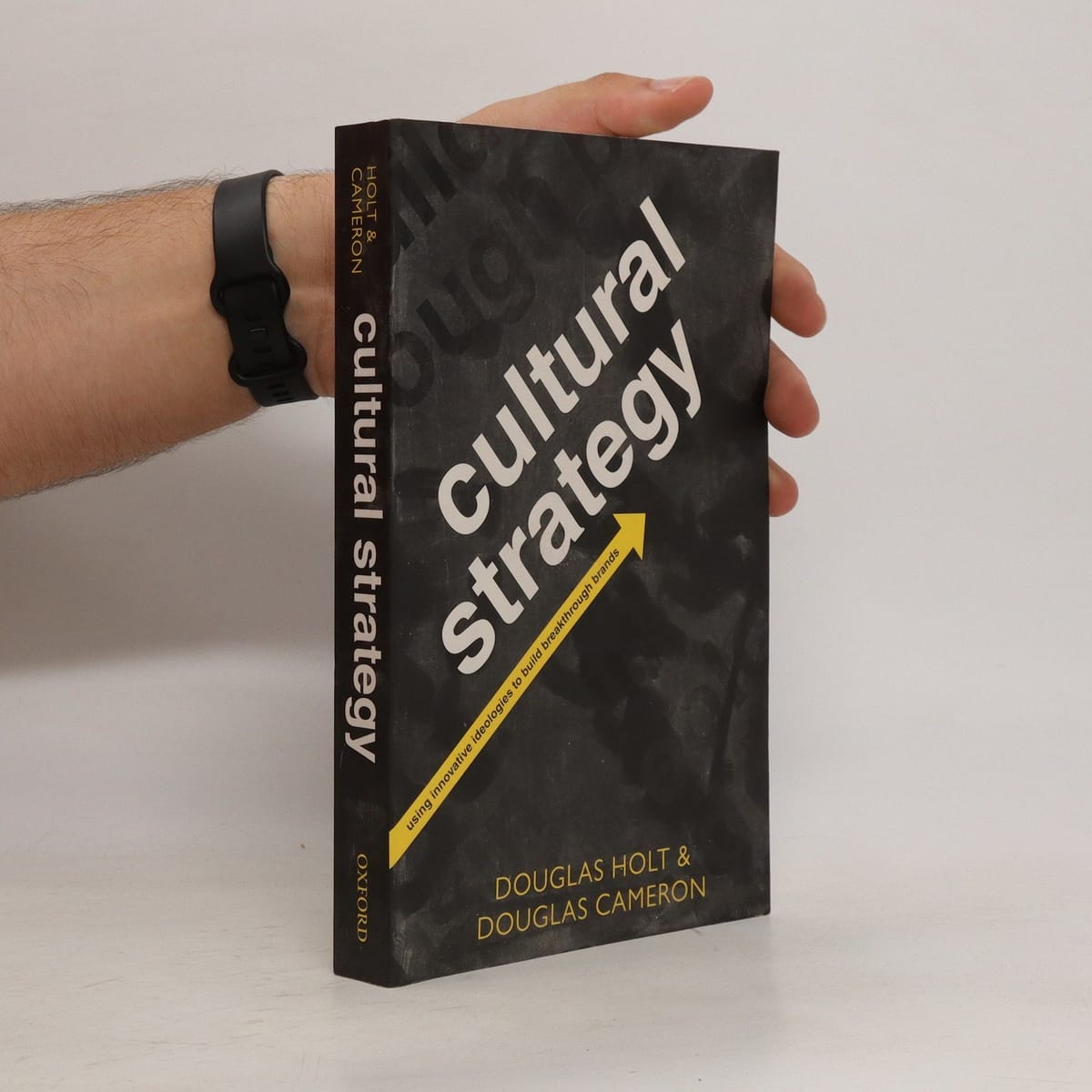
Douglas Holt is one of the world’s leading experts on cultural approaches to branding, strategy, and innovation. He brought forward two models that work excellently for brands looking to build strength through advertising visuals: the mind-share model and the culture-share model. The former works by occupying the mental space of the consumer, while the latter works by fitting into culture.
The mind-share model works by burying the idea in the consumer’s mind through constant repetition of the brand visuals, which could be its logo, symbols, tag line, or endorser. It is done until the brand sticks subconsciously for quick recall in the very sought-after ‘real estate’ that is the consumer’s mind. With this model, the brand aims to make itself the first thing a consumer thinks of in its category with the help of bold imagery repetition everywhere – social media, television, billboards, public transport, etc. Although a great strategy for spreading brand awareness and standing out in a sea of competitors, according to Holt, relying solely on the mind-share model can be limiting. It’s so because at the end of the day, this model treats the audience as passive only and fails to foster a deeper loyalty to the brand.
The culture-share model is one where branding moves into the space of culture and society. It’s a strategy that is woven out of deeper storytelling, myth-building, and participatory branding strategies. Culture sharing works by creating stories in people’s minds that they identify with and use in everyday life. Under this, brands identify cultural tensions – say, for example, the dichotomy of old traditions versus modern freedom – use visual narratives to propel a lifestyle forward. Thus, making the consumers active participants in this model, who, in turn, share the ad story forward via social media or otherwise – creating conversations around it. In this model, the product doesn’t just follow trends but ends up fostering emotional ties with the consumers through its storytelling and cultural resonance.
The mind-share brand strategy is simple and can be a little static: repeat the brand imagery over and over again for subconscious impact. It works well at a brand recall level, when fighting for a share in the scarce real estate of the consumer’s mind but cannot go deeper than surface awareness. Culture-share strategy is more dynamic and rooted in long-term storytelling – it partakes in the world of the consumer, while also building deeper myths around itself, creating a lasting brand presence. Douglas Holt emphasizes that it is a combination of the two that, in fact, makes for an ideal strategy – one that can make a brand truly iconic. I’d like to elaborate on this with a few brand campaigns.
Tanishq is a very popular name in the jewellery market of India. Its ad campaigns have been rooted in the idea of building a bridge between traditional and modern India. For its more traditional jewellery collection, its produced ads that covered concepts such as a modern Indian woman contemplating arrange marriage; an intercultural wedding ceremony; an interfaith baby shower ceremony. For its modern and slightly more affordable collection (Mia and CaratLane), it has explored concepts to do with working women such as hustling for a career; a pregnant employee’s participation; making friends with a new coworker. But Tanishq’s presence does not go beyond its advertising, and it occupies space in the consumer’s mind so long as jewellery is being considered.
Coca Cola is a brand that, according to me, is a landmark brand when it comes to culture-share strategy of advertising. It is a brand that has torn through the barriers of cultures, genders, age groups, and class. Its recall value is such that it is the first drink that comes to people’s mind when one thinks of soft drink – across demographics. Its brand strategies over the years have taken a huge bite out of the culture share in numerous ways. In 1931, it was Coca Cola that brought to life the modern, jolly, red-suited image of Santa Claus, as we know of him now. Its iconic 1971 Hilltop campaign showed bright and cheerful visuals with a diverse group of young people from around the world standing together and singing – it conveyed a message of hope, peace, and collaboration. In 2007, it launched the Coke Studio first in Brazil, later in Pakistan and India – its digital first music platform that blends music genres and brings forward emerging artistes. Its distinctive tag line for the Indian market – ‘Thanda matlab Coca Cola’ – built a myth around the brand as being synonymous with summer in India.
Amul Butter is a brand that converges both the mind-share and culture-share models rather effectively. It occupies the mind-share of the consumers by continuous, effective presence in, say, mega sporting events such as cricket tournament grounds or on billboards across India. Its Amul Girl mascot is a cultural icon for the Indian consumers with her consistent, distinctive presence. The brand’s tag line – ‘Utterly butterly delicious’ – rules the dairy category. Its topical ads in the form of cartoons commenting on politics, cricket, Bollywood, and national events have built culture-share by embedding the brand in India’s cultural conversations, almost as a symbol of national pride and even humour.
These examples demonstrate that the mind-share model uses a strategy of simple repeats; while the culture-share model builds myths through cultural stories. When gelled together, the two models can deliver the most effective brand strategy that is bound to deliver the most long-lasting impact.